



Google Upgrades Waze With Motorcycle Routing And Less Chatty AI


Waze is being overhauled with a suite of highly awaited features tailored for riders, commuters, and minimalist drivers alike. In particular, the latest update introduces a specialized motorcycle mode, personalized routing habits, a less chatty audio setting, and deeper integration with Google's Gemini AI navigation powers.
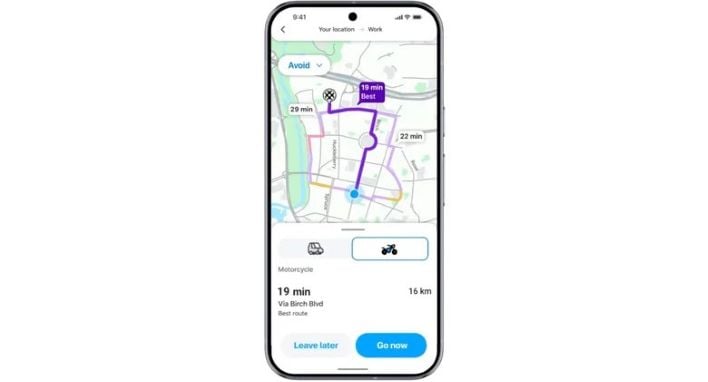
Up until now, motorcyclists using Waze have relied on an app optimized for four-wheeled vehicles, ignoring the distinct tactical advantages and physical limitations of traveling on two wheels. Waze's new, dedicated motorcycle mode (pulled from Google Maps) remedies this by utilizing machine learning to map out routes that leverage two-wheeler shortcuts, which means dynamically filtering out restricted corridors and roadways inaccessible to bikes. Of course, the feature is backed by Waze's unique proactive network of human reporters/users logging real-time hazards tailored specifically to riders, ensuring that ETAs are calculated with better contextual precision. For now, the new riding experience is making its debut in select global markets, including Brazil, Colombia, Mexico, Peru, the Philippines, Malaysia, and Argentina.
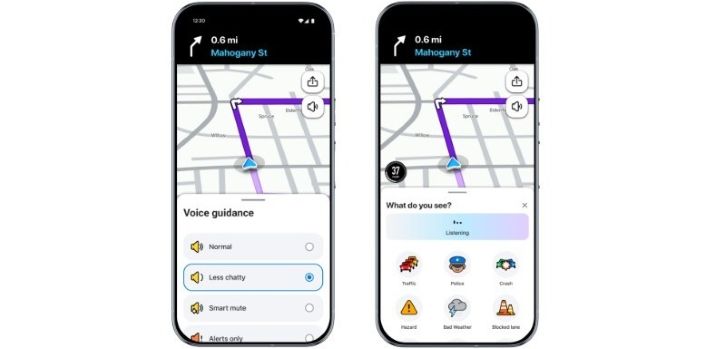
Also, drivers seeking a less vocally-intrusive navigational companion can now toggle a less chatty voice option that will scale back repetitive auditory prompts. Rather than enduring a barrage of redundant turn-by-turn commands that interrupt music, podcasts, or phone calls, the app will deliver only critical transit instructions and safety warnings, lowering overall sensory distraction. Simultaneously, Waze is leaning into individualized driving behaviors by tracking previous trip data to mimic personal preferences. In other words, if a driver consistently avoids specific local bottlenecks or favors certain highway stretches, the app will automatically build future routes around those intuitive tendencies without requiring manually configured detours.
Powering the interactive side of these updates is an enhanced set of conversational features powered by Google's Gemini. This roll-out includes Conversational Reporting, which lets drivers make map reporting updates using natural spoken language. On paper, drivers can speak organically to report road closures, accidents, or complex debris hazards, and the AI converts that natural speech into immediate map fixes for the broader Waze community. The system is also implementing a quick chat feature within its beta testing network, which allows folks to ask Gemini for open coffee shops, cheap local gasoline, or upcoming amenities on their routes without requiring multiple distracting taps on the app.





