



Google Synced Passkeys Can Be Hijacked By Malware In New Attack


Cybersecurity researchers at Palo Alto Networks' Unit 42 have uncovered three novel post-compromise attack vectors that allow local malware on Windows PCs to quietly hijack Google-synced passkeys, bypassing biometric checks and PIN prompts.
The exploitation process starts on an infected endpoint. Chrome saves synchronized credential metadata inside an unencrypted local LevelDB database, giving unprivileged malware a clean index of every service where the victim uses passkey authentication.

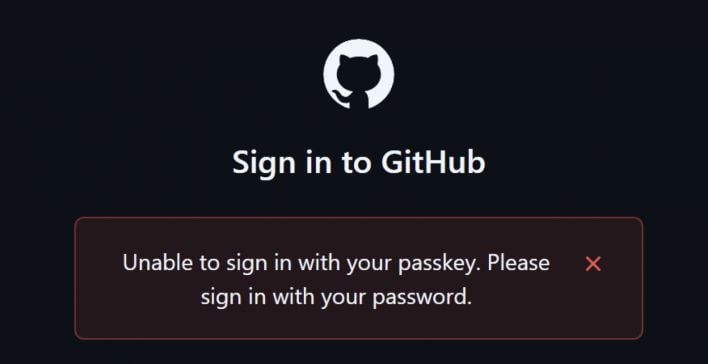
In the basic Pass-TA-Key attack, malware extracts Chrome's TPM-backed identity key and uses standard Windows Cryptography APIs to sign an authentication request to Google’s Cloud Authenticator. Google returns a valid login assertion without prompting the user or asking for fingerprints or PINs. While this assertion leaves the "User Verified" flag set to false, thus causing strict sites like GitHub to reject the attempt, Unit 42 confirmed that other platforms, such as eBay, initially accepted the login without validating the flag. eBay has since patched the flaw following responsible disclosure.
To bypass strict user verification altogether, attackers escalate to Silver Pass-TA-Key. Malware intentionally corrupts or deletes Chrome's local passkey state, triggering a forced device re-enrollment. Because Google’s Cloud Authenticator does not check whether a newly registered user-verification key originates from secure hardware, the attacker can register their own key during the setup process. Future login requests signed with the attacker's key carry a legitimate "User Verified" bit, enabling permanent remote logins from the attacker's own hardware without further touching the victim's device.

While Google fixed an initial exposure where the SDS was written to internal FIDO logs, Unit 42 notes that the secret still passes through client process memory.





