



Google May Launch A Pixel Laptop With New Pixel Glow Lighting Trick


The first concrete evidence of this shift appeared in the Android 17 Beta 4 code, where our friends at 9to5Google uncovered a Pixel Glow API designed to mirror device notifications or statuses with LED bars on the back of the device. It might be safe to therefore say that the Pixel 11 could pull a Nothing Phone trick, with a similar back panel that allows light to permeate through the glass in specific patterns, notifying users of incoming calls or AI processing states while the screen is face down.
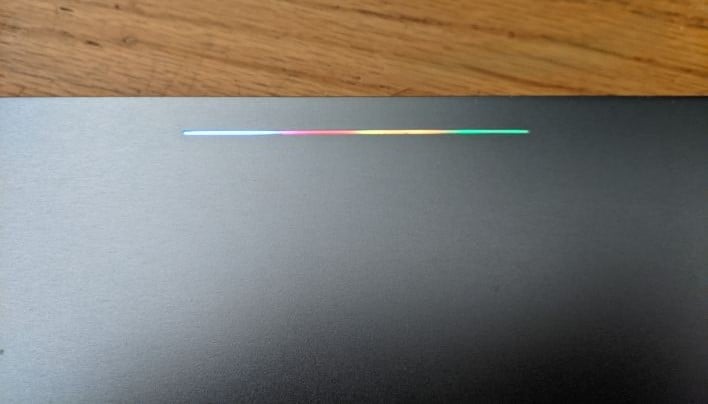
Industry insiders speculate that this feature will be the Pixel 11's secret weapon, or at least a new spotlight feature. By moving away from intrusive pop-ups and toward glanceable light signals, Google wants to introduce a less distracting user experience. How well this tech will translate on a phone is hard to tell, as other manufacturers have tried similar formats with varied success. Pixel Glow might be better suited to a laptop, allowing users to be subtly informed of important activity when the lid is closed.
By integrating this light-based UI across both phones and laptops, Google is attempting to create machines that feel alive. Ultimately, some folks will like this kind of ambient light computing, while some will never ever activate the feature.





