



EA Details Plans To Inject Real-Time Ads Into Games With A Key Promise


Under the hood sits a proprietary ad server and software development kit that EA custom built for its Frostbite engine. That tech streams advertisements into 3D environments on the fly, filling stadium signage, scoreboards, and broadcast overlays the way a televised match would. Because everything refreshes live, advertisers can tune campaigns mid-flight using aggregated player data. It works less like a static billboard and more like a digital screen a marketing team can swap out at will.
Plain ad boards are only half the story. EA also wants brands woven into actual gameplay through reward-driven objectives, in-game challenges, and custom cosmetic items. The brand deals are the more interesting half. Lowe's ran Ultimate Team challenges and branded content across EA Sports FC, Madden NFL, and College Football, while Red Bull leaned into branded objectives and team kits inside EA Sports FC. One example is Mountain Dew's "DEW University," a fully playable team experience in EA Sports College Football 26 with a custom stadium, mascot, and reward ecosystem. Visa, Xfinity, and Peacock round out the early roster.
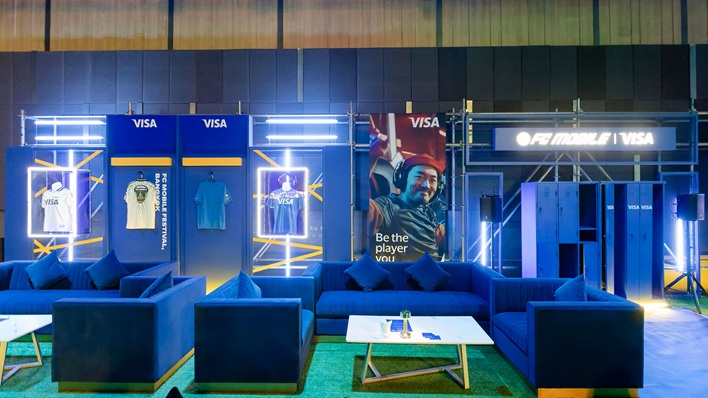
EA insists none of this will wreck the experience, promising integrations that mirror how people already encounter ads in the real world without interrupting play. Skeptics have heard that tune before. The company has chased ads in games for decades, and when pause-screen spots turned up in UFC 4, players revolted and EA yanked them fast. To prove the money buys something measurable, EA partnered with Integral Ad Science to verify viewability and track engagement against industry-accredited standards.
The rollout leans hardest on sports franchises through a premium tier, the EA Sports Partner Program, though the Frostbite plumbing is built to stretch across the wider catalog later. It arrives as EA hunts fresh income atop a roughly $7.5 billion revenue base and goes all-in on AI across its business.
The timing is hard to ignore. Days earlier, Xbox strategy chief Matthew Ball set off a firestorm with interview remarks many outlets read as an endorsement of in-game ads. Ball pushed back fast, clarifying on X that he never mentioned in-game ads and personally thinks interrupting gameplay with them would be a bad move. His actual pitch borrowed from streaming: ads as the price of a cheaper subscription tier beside an untouched premium one, the way Netflix and Disney+ split their plans. Same buzzword, opposite direction.
Valve has staked out the far corner. The Steam operator recently doubled down on banning forced ads in its games, outright calling that model predatory. Line the three up and EA stands alone, racing toward the very thing one rival forbids and another took pains to disown. Cheer or groan, the era of brands buying space inside games people already paid for just got a lot more formal.





