



DuckStation Update Makes PlayStation Emulation Smoother Than Ever


In addition to multi-threaded shader compilation, DuckStation now also supports multi-threaded graphics pipeline compilation, the devs reworked its shader caching mechanism, and added CPU-bound dynamic task thread counts. In short, DuckStation should now be one of the most performant PlayStation 1 emulators for modern platforms that still maintains a high degree of accuracy. This broad, multi-threaded shader rework further improves DuckStation's performance lead over other PlayStation 1 emulators.
Compared to the other two most popular solutions, DuckStation is much more hardware-accurate than ePSXe and more performant than Mednafen/Beetle PSX. DuckStation could be seen as a middle ground, but really there's no reason to use Mednafen over DuckStation unless you're using a frontend like RetroArch. If your use case demands system accuracy to the degree that the difference between Mednafen and DuckStation would matter, you should likely be using real hardware instead anyway.
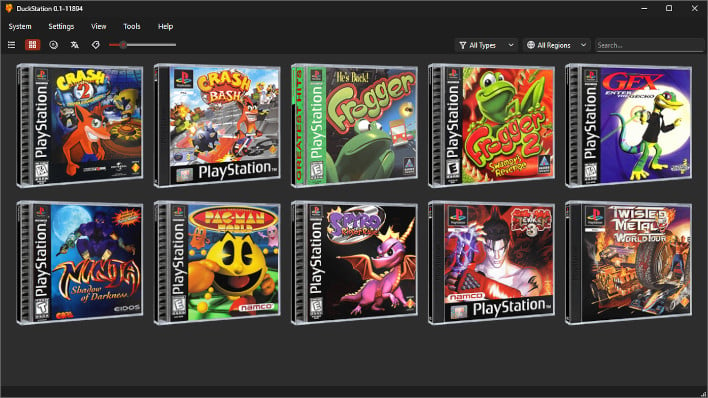
This update to DuckStation (spotted first by @BaldlyRudy on X/Twitter,) highlights how far PlayStation 1 emulation has come. To those worried that these modern, multi-threaded graphics features may go to waste on PlayStation 1 games, also keep in mind that emulators have broad support for custom shader injection, akin to something like ReShade. Similar to Super ZSNES, DuckStation shows that these legacy titles can still be enhanced for modern enthusiasts.
Multi-threading shader compilation also greatly improves performance for custom shader injection, making full-speed, enhanced PlayStation emulation smooth on even modest multi-threaded CPUs. Custom shaders can vary from effects like cel-shading to CRT display emulation. Despite being a modification, CRT shaders can greatly enhance the presentation of the PlayStation's flagship 2D games, like Castlevania: Symphony of the Night, for example.




