



ASUS Issues PC Price Hike Warning Amid DRAM & NAND Shortage


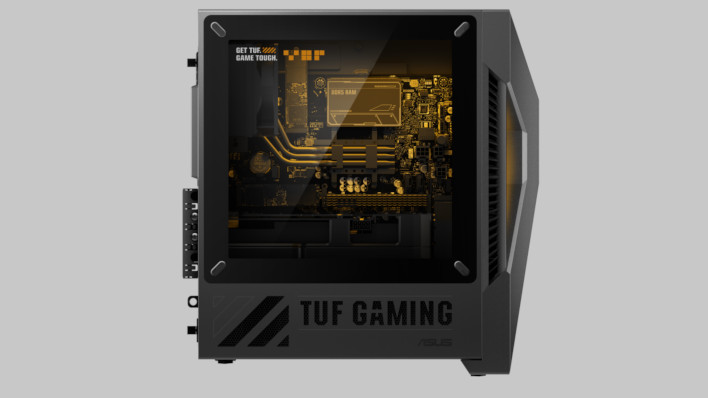
These comments from ASUS and Phison are perfectly in line with warnings we've been hearing from the industry for the past few years. Sadly, there doesn't seem to be a real solution to the problem besides simply hoping that manufacturers are able (and willing) to increase production to meet the demand—but the demand does not seem to be slowing down. Recently, NVIDIA made a historical record by surpassing a $5 trillion USD market cap off of the AI boom.
While some critics are quick to call this AI-powered boom an AI bubble, particularly in the face of ever-growing AI backlash and limited enterprise adoption, that bubble doesn't quite seem primed to pop just yet. Such an event may in fact lessen DRAM and NAND flash pricing surges, but it could also have a negative impact on other aspects of the PC hardware industry, particularly considering the sizable investments that all the heavy-hitters seem to be making in OpenAI and each other.

OpenAI and Neuralink's shared office space in the San Franciso Pioneer Building
Overall, only time will tell whether these ever-increasing prices will continue their upward trajectory, or demand will begin to lessen as AI fervor dies down. Right now, AI providers' biggest customers have largely been other AI services or hardware manufacturers themselves, rather than enterprise in general or consumers at large, where adoption is tentative or limited to free services like ChatGPT.
For AI to have a truly long-term lifespan in the market and continue to demand so much hardware from the market (and electricity/space from various regions, etc), widespread consumer demand is still required.
ASUS HQ photo by Wei-Te Wong (CC-BY-SA 2.0)
Pioneer Building photo by HaeB (CC-BY-SA 4.0)




