



Wild RAM Market In 2025 Sees MSRPs Disappear As Stores Adopt Spot Pricing Model


With popular 32GB - 64GB, dual channel DDR5 memory kits routinely selling in the $300 - $800 price range currently, it bodes poorly for the DIY PC market, prebuilt PCs including laptops, game consoles and device like the upcoming Steam Machine. Graphics cards, already in high demand due to AI, are also due for a price surge, with AMD warning of price increases of at least 10% thanks to insatiable DRAM demand. Essentially anything that requires DRAM is going to get more expensive.
While the impact hasn't increased pricing across-the-board just yet (consoles seem insulated, for now), the holiday season this year and next may be awful times for consumers to buy RAM. This price surge is happening for two main reasons: increased demand for AI data centers, and because the big three memory makers are unable to expand manufacturing capacity. Beyond the inability to boost capacity, the big three memory makers (Samsung, Hynix, and Micron) have also focused a lot of their production capacity on high-margin HBM (High Bandwidth Memory) for AI accelerators, rather than DDR memory. Phison's CEO warned that these market dynamics have caused a shortage that could last for the next ten years.
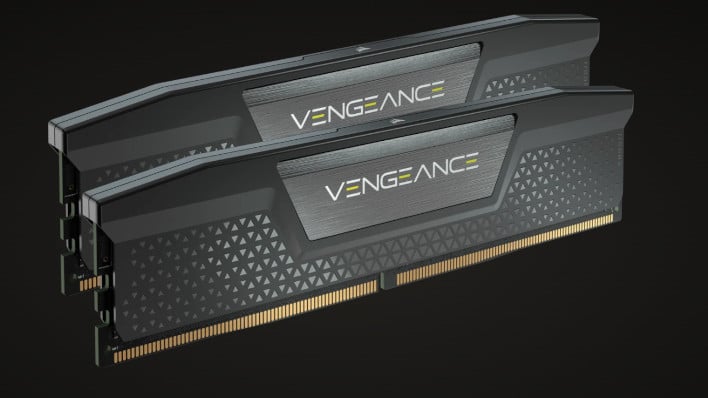
The Corsair Vengeance 32GB DDR5 kit is selling for $390+. Entry-level 16GB RAM kits are rarely available under $100, and won't ship for months.
Per Phison CEO Pua Khein-Seng, "In the past, every time flash makers invested more, prices collapsed, and they never recouped their investments. So companies slowed spending starting around 2019-2020. Then in 2023, Micron and SK Hynix redirected huge capex into HBM because the margins were so attractive, leaving even less investment for flash." He went on to warn that increased demand for memory and storage, along with a shift away from HDDs, will also result in a shortage of NAND flash memory used for SSDs. While the impact on SSDs hasn't been as large yet, prices are steadily increasing there as well.
As observed by TrendForce in January, DRAM and NAND chipmakers are determined to keep prices high to compensate for the losses referenced by Phison CEO Pua Khein-Seng, and they have no plans to help drive DDR5 pricing down any time soon.




