



Why California Wants Your 3D Printer To Track And Report Builds To The DOJ


The proposed legislation wants to mandate that any device capable of producing a firearm or its critical components must be certified by the California DOJ. To gain this certification, manufacturers must integrate algorithmic safeguards into their printers which can detect (and block operation) when a user attempts to print a regulated gun part, such as a lower receiver or frame. This proposal will likely rub people the wrong way, because rather than regulating the end product, the Golden State wants to regulate the tool itself.
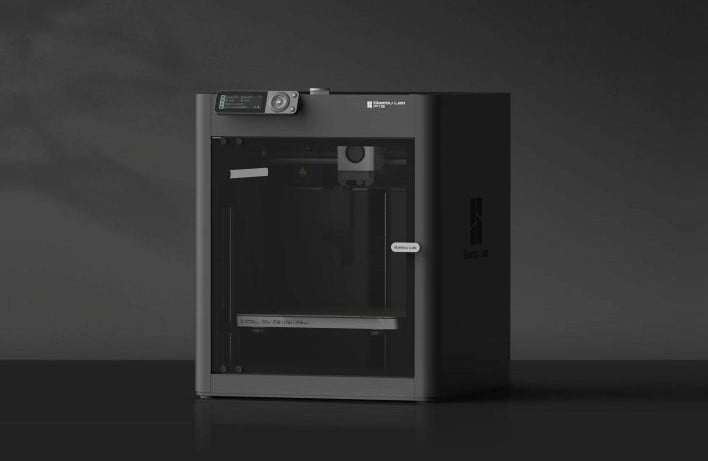
AB-2047 also introduces a controversial surveillance component whereby DOJ-approved printers would be required to maintain internal logs and potentially report any suspicious activity or the printing of regulated files to state authorities. If the blocking mechanism wasn't controversial enough, this self-reporting feature will definitely spark intense debate regarding digital privacy and the Fourth Amendment. Critics argue that such mandates turn open-source household gadgets into state-monitored devices, setting a precedent that could eventually extend to other forms of creative technology. Advocates, however, maintain that the nature of 3D printing provides a unique loophole for criminals to bypass traditional background checks, and that modernizing the law is the only way to ensure public safety in an era of decentralized manufacturing.
If the bill passes, manufacturers like Creality, Bambu Lab, and Prusa would be forced to create California-specific models or overhaul their global software architectures to comply with the DOJ’s standards. Those who fail to integrate these safety protocols would be barred from selling their products in one of the world’s largest markets.
The legal framework of AB 2047 also targets the distribution of CAD files. By defining the act of sharing or downloading 3D-printable gun blueprints as a regulated activity, the state seeks to dismantle the digital infrastructure that fuels the ghost gun movement.
In either case, the proposed bill could lead to a fragmented market where unlocked printers become
black-market commodities, plus we're also left wondering if it's possible to use DOJ-approved printers offline or behind their own VPN.
Photo credits: Bambu Labs





