



Sony Hands Control Of Bravia TVs To TCL In Stunning 51% Takeover Deal


The partnership intends to combine the best of both worlds, but ultimately can be seen as a way for the Japanese brand to survive a brutally competitive, low-margin industry. Sony will contribute its expertise in picture processing (i.e. the secret sauce that has kept Bravia sets at the top of enthusiast wish lists), audio engineering, and high-end brand value. Meanwhile, TCL brings its massive vertical supply chain and manufacturing muscle to the table.
As the world’s second-largest TV manufacturer, TCL produces its own display panels through its CSOT subsidiary, an advantage Sony has lacked for years. Thus by leveraging TCL’s industrial footprint and cost efficiencies, the venture could make Bravia tech accessible at more competitive price points, for better or worse.
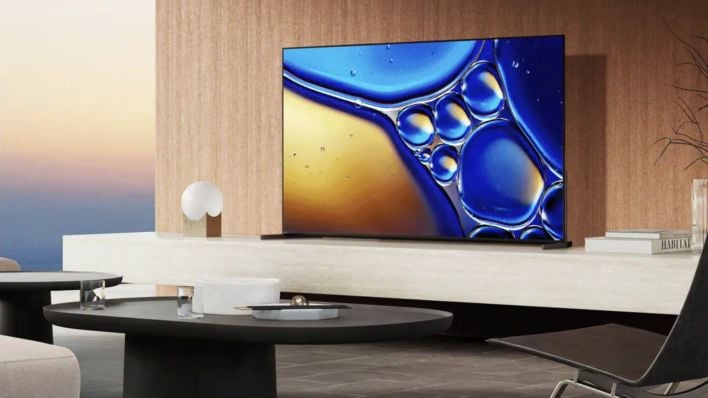
For long-time fans of the brand, the transition may feel bittersweet. While future televisions will still carry the 'Sony' and 'Bravia' logos and branding, they will increasingly be built using TCL’s display technology and manufacturing lines. The new entity will manage everything from global sales and logistics to customer service. This basically allows Sony to offload hardware manufacturing while focusing what's left of its corporate energy on high-growth IPs like PlayStation gaming, anime, and film production. And unlike Hitachi and Toshiba, Sony is betting that its processing tech is unique enough to maintain a premium identity even when the underlying glass is produced by a partner.
Even as Bravia moves closer to its 25th anniversary, the message from Tokyo is clear: the future of home entertainment isn't about who builds the box, but who creates the experience inside it. For consumers, this could mean the arrival of hitherto impossible products: TVs that pair Sony’s image processing with TCL’s latest SQD and RGB mini-LED panels at prices the Japanese giant could never have achieved alone. In a way, the king of TVs hasn't abdicated the throne; it has simply found a powerful new ally to help hold it.
The joint venture is expected to finalize binding agreements by March 2026, with the new company officially beginning operations in April
2027.





