



Scientists Turn Plastic Waste Into Parkinson’s Drug In Stunning Medical Breakthrough


The process begins with the breakdown of PET, the ubiquitous plastic found in single-use water bottles and food packaging. PET recycling currently is a mechanical process that results in lower-quality plastic, eventually leading to the landfill. However, the University of Edinburgh team, led by Professor Stephen Wallace, pioneered a biological approach. They utilized a chemical-biological method, first using chemical catalysts to break down the plastic into its base monomers, specifically terephthalic acid. From there, a genetically modified strain of E. coli is introduced, which is programmed to consume the terephthalic acid and, through a series of enzymatic reactions, convert it into muconic acid and subsequently adipic acid.
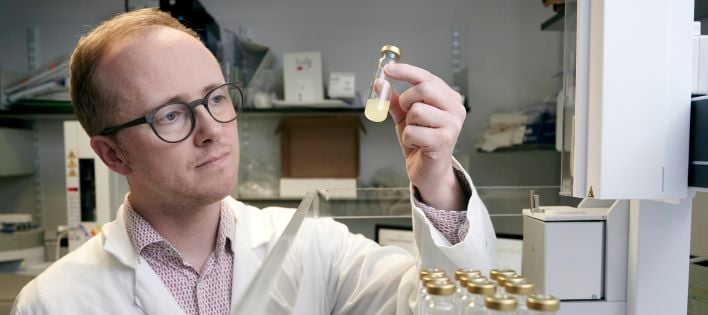
This breakthrough truly shows off what synthetic biology can achieve. The researchers optimized the E. coli metabolic pathways so that the bacteria could handle the chemical toxicity of the plastic derivatives while maintaining a solid output of the desired compound. This upcycling is definitely more valuable than recycling, which in this case proves that even if a discarded plastic bottle has almost zero value, the medicinal compounds derived from it are worth thousands of dollars per kilogram.
As the global population ages, the prevalence of Parkinson’s disease is expected to rise, increasing the demand for affordable L-DOPA. Simultaneously, the world is grappling with over 350 million tonnes of plastic waste produced annually. Integrating these two crises into a single solution couldn't have arrived at a better time amidst a critical juncture for health and environmental policy.
Image credits: Edinburgh Innovations





