



Roku Vs. Google YouTube TV Dispute Devolves Into He Said, She Said War Of Words


Yesterday, Roku sent an email to customers alleging, "We are disappointed to share the news that Google has chosen to let the YouTube TV contract expire." However, in a YouTube TV blog post that went up just a few hours later, Google fired back, writing, "Roku terminated our deal in bad faith amidst our negotiation. Unfortunately, Roku has often engaged in this tactic with other streaming providers."
In other words, Google is firing back at Roku, claiming that the company is leveraging its position as the dominant Smart TV platform to play hardball. We've seen these negotiation tactics before from Roku with individual content providers, and Google has understandably been taking notes along the way.
Google makes itself out to be the victim here, asserting that all it wanted to do was renegotiate its terms surrounding YouTube TV. However, Roku apparently intends to hone in on YouTube, a similar but related service featuring a separate contract. "Roku chose to use this as an opportunity to renegotiate a separate deal encompassing the YouTube main app, which does not expire until December," Google alleges.
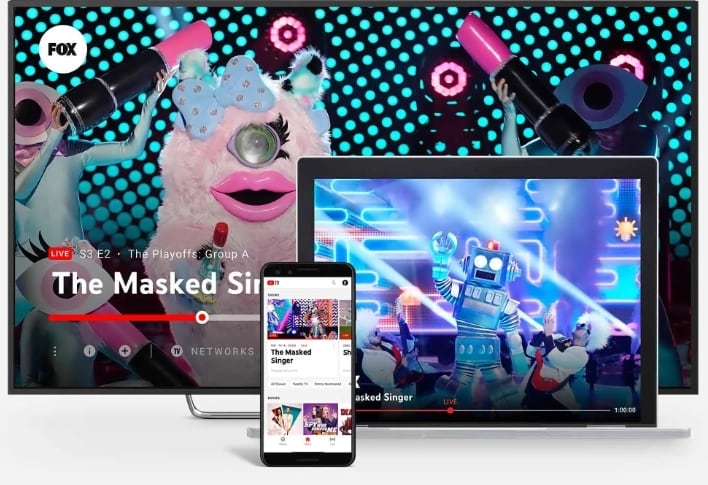
Roku also accused Google of making demands that would force it to raise prices on its streaming hardware. Google, however, is not disputing that claim, as it is related to the open-source AV1 codec. AV1 is a big deal because it is both royalty-free and reduces streaming bandwidth requirements for content providers and customers alike while preserving video quality. However, supporting AV1 requires newer chipsets that cost more money, which is why Roku is complaining. Roku currently can undercut the pricing of Google's Chromecast streamers and feels that adopting AV1-compliant hardware will make it less competitive.
Google isn't willing to budge on this point, and it explains the situation like this:
Our agreements with partners have technical requirements to ensure a high-quality experience on YouTube. Roku requested exceptions that would break the YouTube experience and limit our ability to update YouTube to fix issues or add new features. For example, by not supporting open-source video codecs, you wouldn't be able to watch YouTube in 4K HDR or 8K even if you bought a Roku device that supports that resolution.
Google goes on to say, "We can't give Roku special treatment at the expense of users." Google also doubled down, alleging that Roku is outright lying about its other claims. "To be clear, we have never, as they have alleged, made any requests to access user data or interfere with search results," Google concluded. "This claim is baseless and false."
This is an ugly and unfortunate fight between these two heavy hitters in the streaming industry. And given the comments by both companies, someone is lying through their teeth. At this point, we don't know who to believe or when this dispute will be resolved amicably, given the bad blood between the two.




