



Plastic Bottles Are Being 3D-Printed Into Edible Cookies, Yum?


This is what researchers from SIU Carbondale Communications, funded by the NASA Deep Space Food Challenge and a National Science Foundation Faculty Early Career Development Program grant, managed to pull off. They call the cookie "µBite," and it isn't simply the result of shredding and 3D printing existing plastic. Instead, PET plastic is put through a process called oxidative hydrothermal dissolution (OHD), which uses high-temperature, high-pressure water and oxygen to break down materials into microbe-accessible pieces.
Then, programmed microbes (including yeast) are added to the OHD-treated plastic, which reforms the material into proteins, fats, and acids. Then, researchers add final fiber, starch, and sweetener before running the mixture through a specialized 3D printer to produce the µBite. The resulting cookie is flavored of vanilla, and the earliest human trial impressions indicate that most participants find it edible in "resource-limited situations."
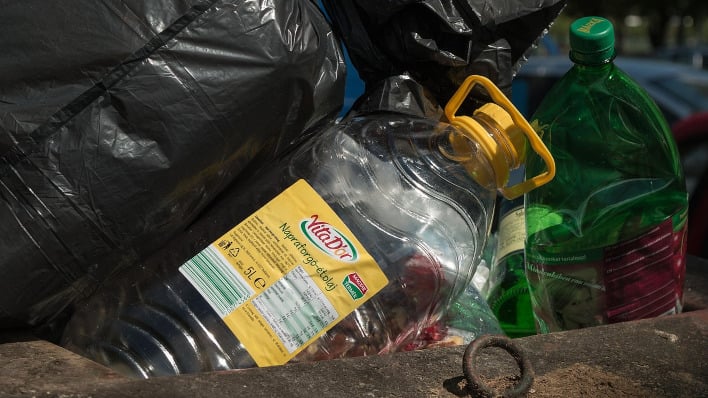
Turning plastic into food, though? That's genuinely unprecedented and likely a bit repulsive for some. As long as it actually proves safe for long-term human consumption, the µBite 3D printed plastic cookie could prove transformative in the future. If the words of research lead and Associate Professor Lahiru Jayakody proves true, that's exactly what we'll see, but we'll be sure to take this new "food source" with a dash of salt.




