



G.Skill Ramps Trident Z Neo DDR4-3800 Memory For AMD Ryzen 3000 X570 Platform


The new memory kits have timings of CL14-16-16-36 and are available in two DIMM kits: 8GBx2 (16GB) or 8GBx4 (32GB). According to G.Skill, the modules are constructed using Samsung's legendary B-dies and will stand up to the rigors of overclocking that they will be subject to in the hands of enthusiasts.
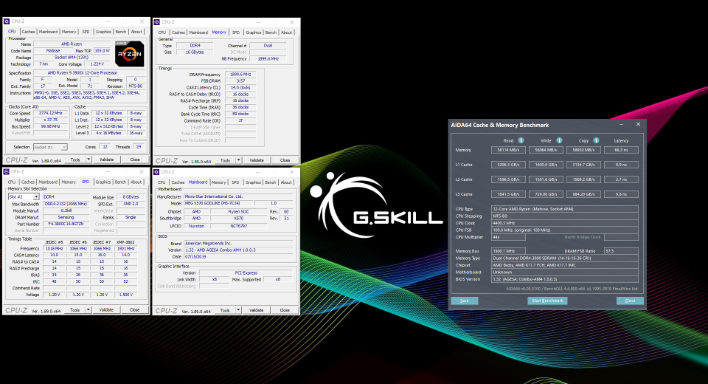
One thing that we should mention is that given its rated speed of 3800MHz, the modules’ memory clock is still is able to stay at a 1:1 ratiowith the Infinity Fabric. At speeds of 3866MHz or above, you'll experience greater bandwidth but the shift to a 2:1 ratio means that overall performance might not necessarily increase.
G.Skill tested the new Trident Z Neo DDR4-3800 modules using a Ryzen 9 3900X processor on an MSI MEG X570 GODLIKE motherboard. Using that platform, the company was able to achieve memory bandwidth figures of 58GB/sec, 56GB/sec, and 58GB/sec in read, write, and copy operations respectively.
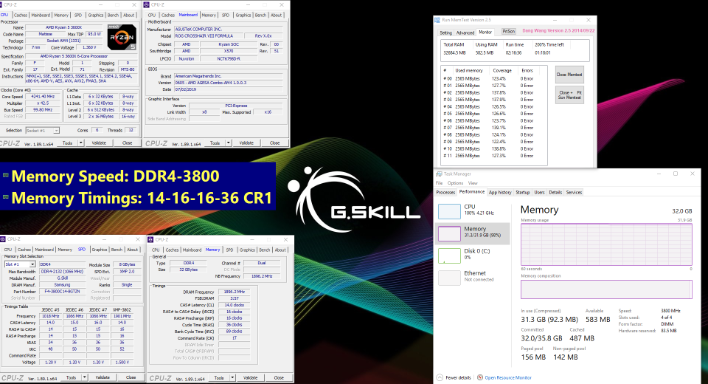
Further stress testing at DDR4-3800 CL14-16-16-36 was also done with additional processor and motherboard configurations including the Ryzen 5 3600X and ASUS ROG CROSSHAIR VIII Formula.
At this time, AMD's Ryzen 3000 family consists of the following processors:

Not mentioned the chart above is the Ryzen 9 3950X, which is the new flagship processor coming in September. It will feature a total of 16 cores and 32 threads and will pose a serious threat to Intel in the high-end desktop market.




