



GPD Says Its $1,750 WIN Max 3 Strix Halo Handheld Can't Get Any Cheaper


Frankly, that's understandable. There's a memory crisis going on, and the machine's Ryzen AI Max processors have a 256-bit memory bus that serves no purpose if you're not filling all of its channels. That means that the absolute minimum memory configuration is 32GB, and that's 32GB of fast LPDDR5X RAM, the memory type arguably in the highest demand besides high-end HBM.
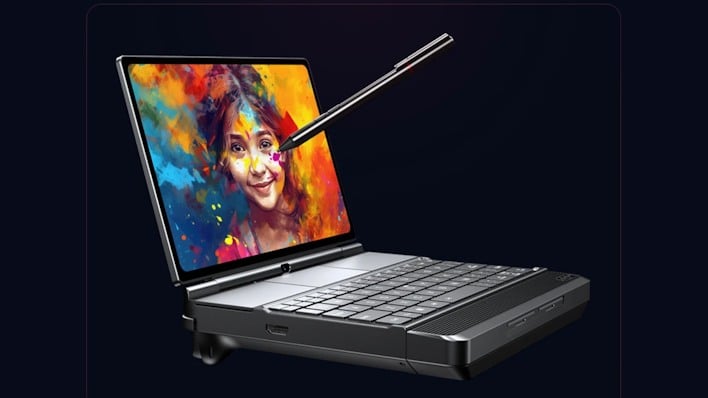
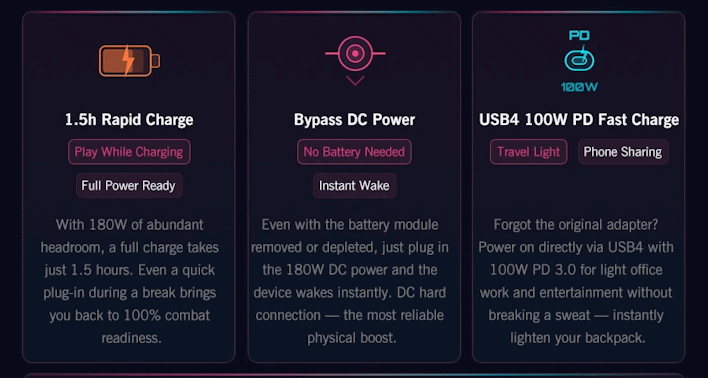
The rest of the specifications are extremely fancy, too. The specific SoCs available are the Ryzen AI Max+ 388 and 395, both of which retain the full 40-CU integrated Radeon. Memory capacity scales up to 128 GB on the top model, and there's a pair of NVMe SSD slots, which is frankly insane on a system this size. Beyond all that, the 97 Whr battery is removable, and the MicroSD card slot supports SD Express. Plus, the game controls are Hall-effect.
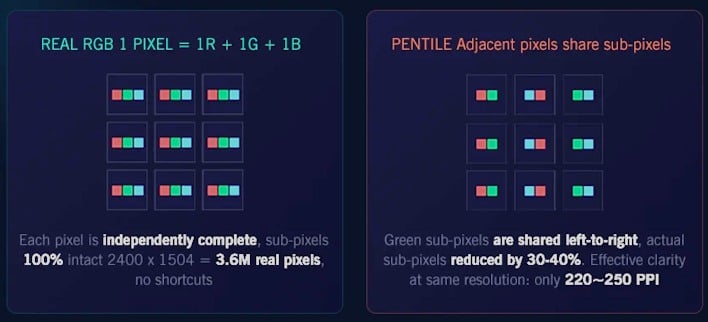
Oh, and because I haven't mentioned it yet, the screen is an HDR OLED. Yes, really; the GPD WIN Max 3 uses a 9.06" HDR10-capable AMOLED with a 165-Hz refresh rate. GPD says the screen shines at up to 1050 cd/m², which is insanely bright; the company also says that the display is capable of representing the entire DCI-P3 colorspace, which is absolutely crazy. One key detail that seems to be missing from the product information is the presence or absence of variable refresh rate; we suspect it's missing from this device, because if it wasn't, we expect GPD would say so.
GPD says this machine is three times faster than the last-gen model, and of that we have no real doubt. The WIN Max 2 came with the Ryzen AI 9 HX 370, which is a perfectly acceptable SoC but really bears no comparison to Strix Halo. This generation does lose the OCuLink functionality versus last-gen, but do you really need an external GPU on this machine?
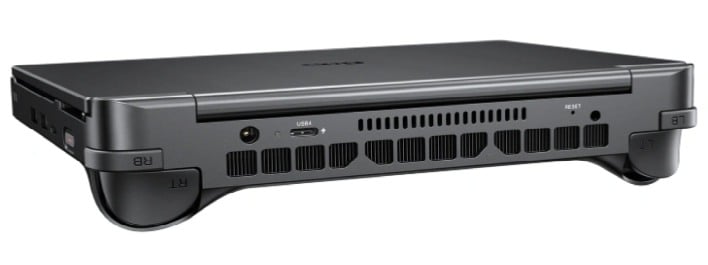
External I/O includes a USB4 port, a 10Gbps USB-C 3.2 port, two USB-A 3.2 ports (one 10Gbps and one 5Gbps), and a full-sized HDMI 2.1 port. The maximum power limit of the SoC is 110W, which isn't as high as some other Strix Halo systems we've seen, but incredibly ambitious for a 9-inch ultra-mobile PC. GPD offers a fan module that is required to crank the machine up that high, and if you pre-order on Indiegogo, that module is included at no extra cost.
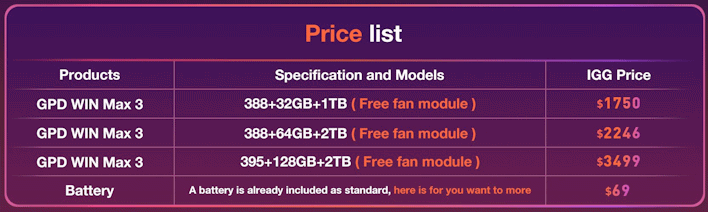
So what about that price? $1750 is a lot of money to pay for a system at this performance level, in general. But when you consider the gorgeous screen, the unique design, the insanely small size, and all the features (like the removable battery), it really doesn't seem excessive to us. Stepping up to the model with 64GB of RAM and a 2TB SSD costs you an extra $500, which is pretty steep, while the top-end model with the Ryzen AI Max+ 395 and 128GB of RAM is a whopping $3499. Still, it seems like you get what you pay for.
If you're dying for a 9" laptop that runs Windows 11 and plays high-end PC games better than most 15" gaming laptops, head over to Indiegogo to follow the project. Pre-orders open September 2nd.





