



Apple Smart Glasses Launch Delay Pushes Meta Showdown To Late 2027


When Cupertino's smart glasses finally drop, it'll be a direct challenge to the likes of Ray-Ban Meta, which has experienced a massive surge in popularity, tripling its sales figures over the past year. Consumers have increasingly embraced these walking-recording devices, ignoring privacy concerns that have flared up when users run the internal cameras in public. Apple smells an opportunity to capture a slice of this rapidly expanding pie and is looking to "disrupt the glasses market" (per Bloomberg) just like the Apple Watch did. The latter still brings in an estimated $17 billion annually.
Internally code-named N50, Apple's first-generation smart specs were initially rumored for a late 2026 reveal with a commercial launch in early 2027. However, manufacturing and engineering hurdles have pushed the target launch window back to the late 2027 holiday shopping season.
This product push is carrying significant corporate weight. Outgoing CEO Tim Cook has reportedly designated the wearable project as a primary focus before he steps down on September 1st. Taking over the reins is John Ternus, Cook's successor, who has spent the last two years overseeing Apple's Vision Products Group (VPG). This is the exact team tasked with delivering the new glasses, alongside developing upcoming AirPods Pro models that feature integrated infrared cameras.
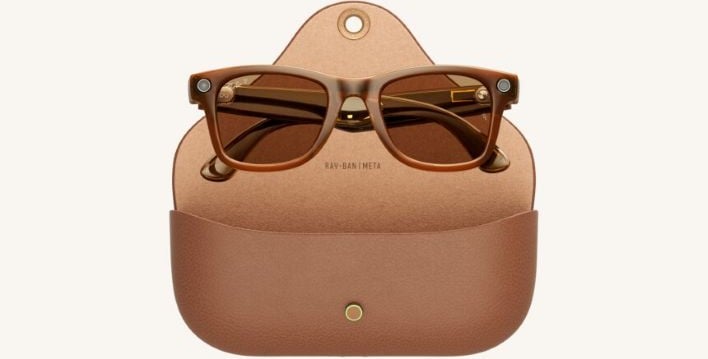
That said, the primary physical differentiator will be design-focused; while Meta opts for circular camera lenses, Apple could add ovular cameras as well, to better integrate with a wider range of frame styles. True heads-up augmented reality displays that overlay digital information directly onto the lenses are still several years away for Apple's entry-level specs, although short-term, health sensors could become part of the integrated package.
Whether these reportedly-delayed smart glasses achieve the cultural ubiquity of AirPods or suffer the sluggish, niche adoption of the prohibitively expensive Vision Pro remains to be seen.
Main image credit: X





