


Valve Retires Index VR: Should You Buy The Steam Frame Or A Different Headset?


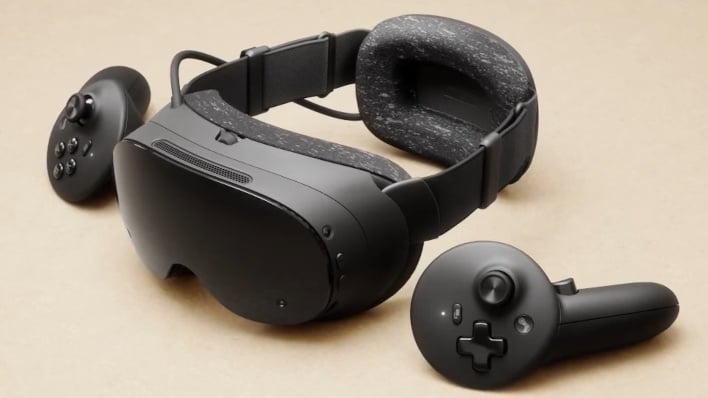
But once that stock is exhausted, what do you do? For that matter, how does the Steam Frame compare against the competition currently, at a time when the Index headset is briefly available for under half the price and the Meta Quest 3 exists?
Steam Frame vs Valve Index
If you do need to source your own base stations, I'd recommend the first-gen HTC Vive stations for another $169.30 or so.
Sourcing controllers can be tricky, since Valve is only selling left-hand replacements for $119.20, and finger-tracking is relegated to hands-free use with other headsets. The first-gen HTC Vive controllers will at least give you the full strength of base station VR tracking for just $80, or $160 for a pair.
For finger-tracking without a set of Valve Knuckles, there's also Shiftall's GripVR controllers for $499 USD, though you may be waiting a while for the shipment. That may sound exorbitant, but remember that a single right-hand Knuckle controller currently runs for over $380 on eBay. HTC Vive base stations are easier to snag for a deal off the used market, but you'll generally want to buy your controllers new.
In any case, the startup cost for the Valve Index solely buying new hardware right now is about ~$900, but for hardware you can buy today. Compared to the Steam Frame waitlist starting at $1055 and reviewer consensus that the $59 add-on ergonomics kit is essential, the Valve Index could be a nice way to save $200 on high-end PC VR.
Steam Frame vs Meta Quest 3S
Steam Frame vs Meta Quest 3

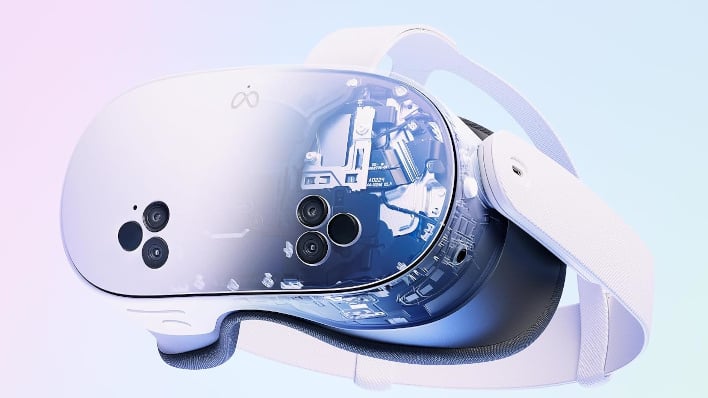
In terms of standalone performance, the Steam Frame outperforms the Meta Quest 3 substantially, to the point low-spec PC gaming is feasible. The problem is that most standalone VR games are relatively modest in their graphics demands, reflecting the limitations of mobile-class processors and the need to balance headset cost, battery life, and thermal constraints. That doesn't mean compelling visuals are out of reach, however, as Meta Quest 3 demonstrates with impressive experiences like Batman: Arkham Shadow. What Quest 3 can't run natively is a demanding PC VR title like Half-Life: Alyx, which can reportedly experience performance dips even on Valve's more powerful standalone Steam Frame.
Ultimately, Meta Quest 3 remains a compelling choice for anyone looking for an affordable, accessible standalone VR experience, whether for gaming, fitness, or entertainment. It delivers plenty of immersive experiences without demanding a premium investment, though Meta's privacy track record may give some buyers pause.
For enthusiasts seeking more ambitious VR gaming experiences, however, Valve's Steam Frame makes a stronger case, particularly with its ability to tap into the broader SteamVR library. Whether that flexibility and additional performance justify its higher price will depend on how seriously you take your VR gaming.