



Apple and Intel Reportedly Reach Landmark Deal to Manufacture iPhone and Mac Chips in the US


Of course, in the interest of clarity, we should note that neither company has confirmed the arrangement publicly and the report relies primarily on unnamed sources familiar with the purported discussions. Still, this isn't the first time this kind of rumor is going around. As the Journal notes, many other major American firms including NVIDIA and Elon Musk's xAI have already partnered with Intel for chip fabrication.
So what's driving Apple to look beyond its long-time manufacturing partner, TSMC? The simple answer is supply chain reality. During recent earnings calls, soon-to-be-'former' CEO Tim Cook explicitly blamed a lack of advanced chip availability for Apple's inability to meet customer demand for iPhones. These constraints are bleeding into the Mac lineup as well, with models like the Mac Studio and Mac Mini potentially taking months to reach supply-demand balance. While Apple has historically enjoyed priority status as TSMC's top customer, skyrocketing demand for AI manufacturing capacity from companies like Nvidia means Apple no longer has the same leverage to secure the supplies it needs.
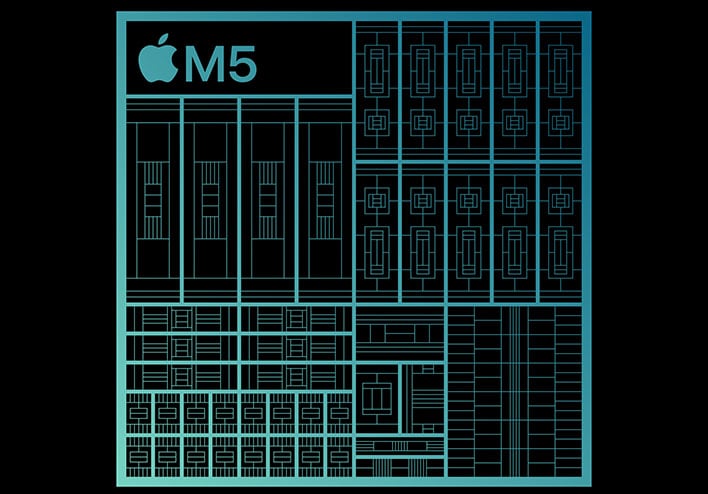
The deal also carries heavy political fingerprints, serving as a massive win for the U.S. government. The Trump administration played a key role in bringing Apple to the negotiating table. Last summer, the government actually converted nearly $9 billion in federal grants into Intel stock, securing a 10% equity stake in the chipmaker. Following that investment, officials including Commerce Secretary Howard Lutnick and President Trump himself personally lobbied tech executives like Cook to back the foundry. This government support, combined with an aggressive leadership shakeup and a "charm offensive" (WSJ's words) led by Intel CEO Lip-Bu Tan, appears to be paying massive dividends.
Apple has historically been willing to pay top dollar to secure the most bleeding-edge foundry technology available. If even the house that Jobs built is now willing to use Intel Foundry, that may be the single strongest indicator that Intel’s "dead company walking" phase is over. We've been thoroughly impressed in our testing of Intel's only extant 18A chip, Panther Lake, so if Intel can follow through with 14A, it might really be the superior option over TSMC for the first time.





