



2027 Corvette Stingray Rips 200 MPH For An Under $75K Supercars Threat


Chevrolet's 2027 entry level Corvette Stingray can crack the mythical 200 mph barrier for an entry-price of just under $75,000. Think about that for a second. What is this world (of supercars) coming to? GM has basically further democratized the performance tier historically gated behind six-figure price tags.

Part of the secret sauce behind this performance is the introduction of Chevy's new 6.7-liter naturally aspirated small-block V8 bearing the LS6 designation. Bowtie enthusiasts will know that the LS6 nameplate carries immense historical weight, tracing its roots back to the high-horsepower muscle car era of the 70s and later the hi-po C5-generation Corvette Z06. Bringing it back (for a base model, no less) shows just how seriously Chevrolet views this update. Handcrafted at GM's Flint, Michigan engine plant, the motor delivers 535 horsepower and 520 pound-feet of torque, utilizing a high 13.0:1 compression ratio to maximize thermal efficiency and throttle response.
Achieving the validated 200 mph requires a delicate balance of power and aerodynamic know-how, and at this price, it's something that other performance cars just can't match. Ironically, to unlock this maximum velocity in the 2027 model, Chevy said that buyers must skip the optional track-focused add-ons; the top-speed run was achieved using a standard 1LT coupe without the Z51 performance package.
While track packages add sticky tires and aggressive wings for cornering downforce, those do create the kind of aerodynamic drag that inevitably limits the car's top speed. In comparison, the narrow-bodied base Stingray, devoid of heavy wings and spoilers, allows the 6.7-liter engine to slice its way to the 200 mph halo.
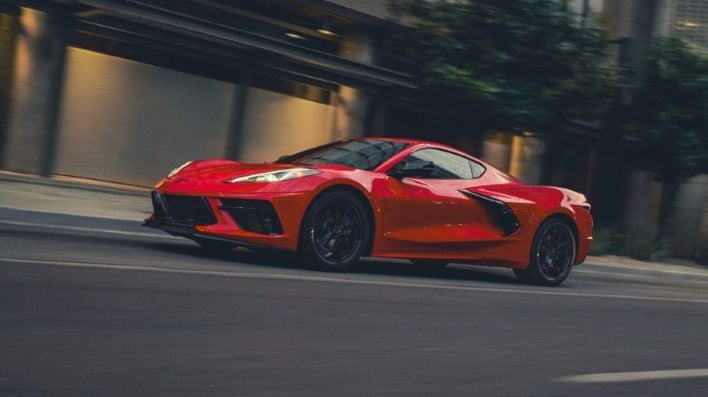
Other straight-line metrics back up the maximum velocity, too. From a dead stop, the 2027 Stingray lunges to 60 mph in a very impressive 2.8 seconds, matching the acceleration of some all-wheel-drive hypercars. It blitzes the quarter-mile in 11.0 seconds flat, crossing the finish line at a trap speed of 124 mph.
Mike Kociba, Chevrolet’s assistant chief engineer for small-block engines, noted that the team intentionally engineered the LS6 to remain perfectly civilized during ordinary operation. In other words, the motor provides strong low-speed torque for effortless around-town driving and canyon cruising, yet retains a savage top end for those wanting to explore the upper limits of the car.





