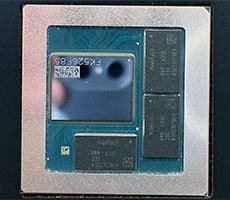
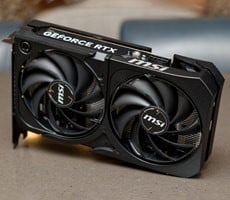
EVGA GeForce GTX 295 Plus Dual-GPU Powerhouse


HOW WE CONFIGURED THE TEST SYSTEMS: We tested all of the graphics cards used in this article on an Asus Striker II Extreme motherboard powered by a Core 2 Extreme QX9770 quad-core processor and 4GB of Corsair RAM. The first thing we did when configuring these test system was enter the system BIOS and set all values to their "optimized" or "high performance" default settings. Then we manually configured the memory timings and disabled any integrated peripherals that wouldn't be put to use. The hard drive was then formatted, and Windows Vista Ultimate SP1 was installed. When the installation was complete we fully updated the OS, and installed the latest DX10 redist and various hotfixes, along with the necessary drivers and applications.
|
|
|

|
Asus Striker II Extreme Radeon HD 4870 1GB Integrated Audio |
Relevant Software: Windows Vista Ultimate SP1 DirectX November 2008 Redist NVIDIA Forceware v180.87 |
|
|
|

|
|
The latest version of Futuremark's synthetic 3D gaming benchmark, 3DMark Vantage, is specifically bound to Windows Vista-based systems because it uses some advanced visual technologies that are only available with DirectX 10, which y isn't available on previous versions of Windows. 3DMark Vantage isn't simply a port of 3DMark06 to DirectX 10 though. With this latest version of the benchmark, Futuremark has incorporated two new graphics tests, two new CPU tests, several new feature tests, in addition to support for the latest PC hardware. We tested the graphics cards here with 3DMark Vantage's Extreme preset option, which uses a resolution of 1,920x1,200, with 4x anti-aliasing an 16x anisotropic filtering. |


As expected, the EVGA GeForce GTX 295 Plus' increased core, shader, and memory clocks give it a slight edge in performance over the reference GTX 295, which in turn makes it the fastest card of the bunch according to 3DMark Vanatge.